Introduction and Guidelines
This page provides a brief introduction to make you understand how machine learning
practices on combinatorial optimization (CO) problems and some guidelines for using ml4co-kit.
Note
For more information on CO problems and technical details, please visit our curated repository awesome-ml4co.
Combinatorial Optimization Problems
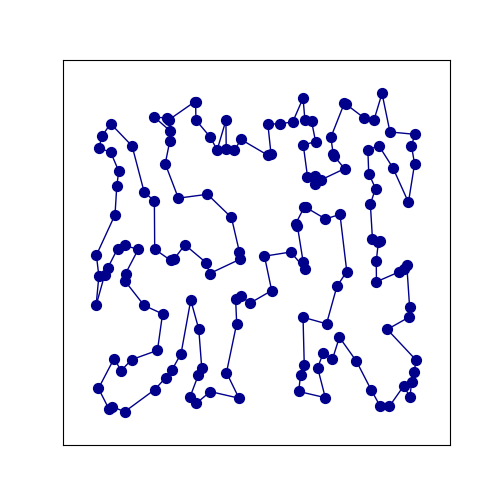
Traveling Salesman Problem (TSP). The TSP problem requires finding the shortest tour that visits each vertex of the graph exactly once and returns to the starting node.

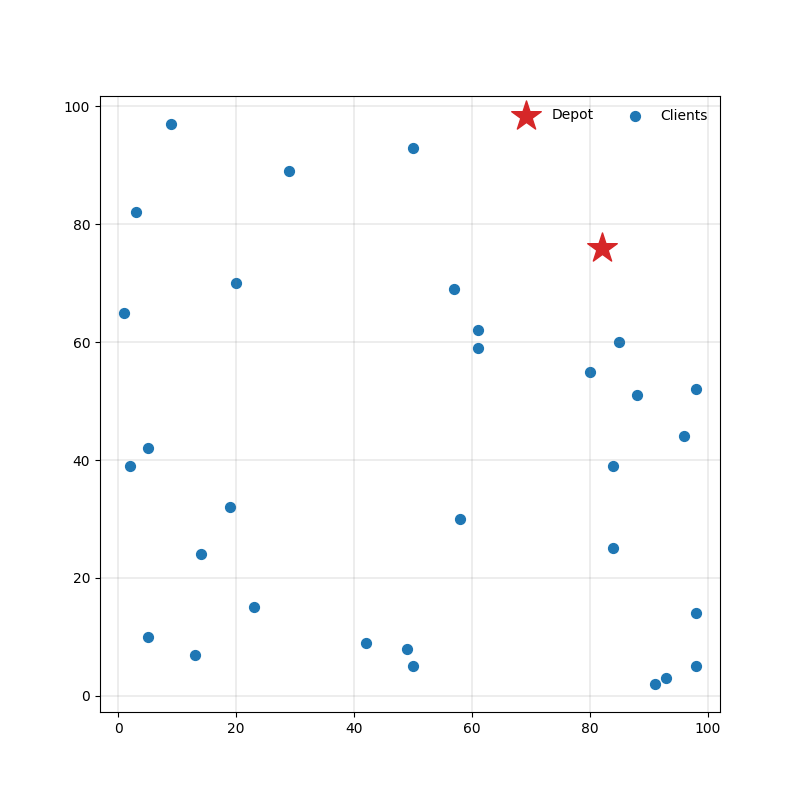
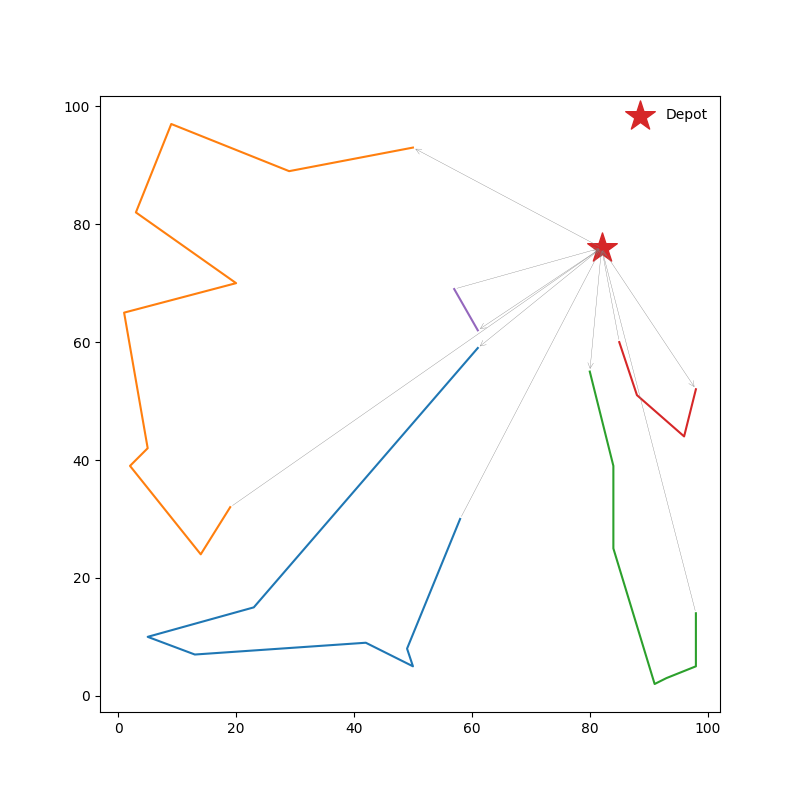
Capacitated Vehicle Routing Problem (CVRP). The CVRP is a variant of the vehicle routing problem in which a fleet of vehicles must service a set of customers, subject to vehicle capacity constraints. The goal is to minimize the total route cost while ensuring that no vehicle exceeds its capacity.
Maximum Clique (MCl). The MCl problem involves finding the largest subset of vertices in a graph such that every pair of vertices in the subset is connected by an edge.
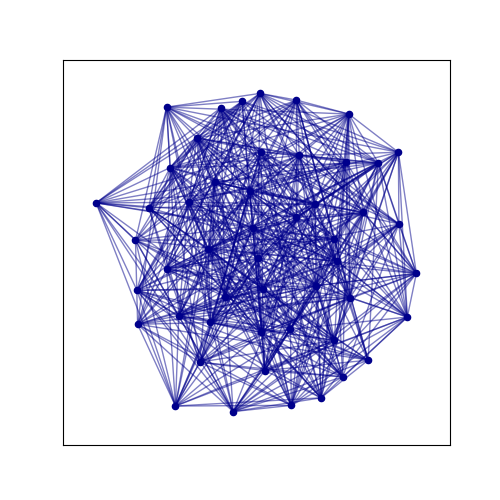
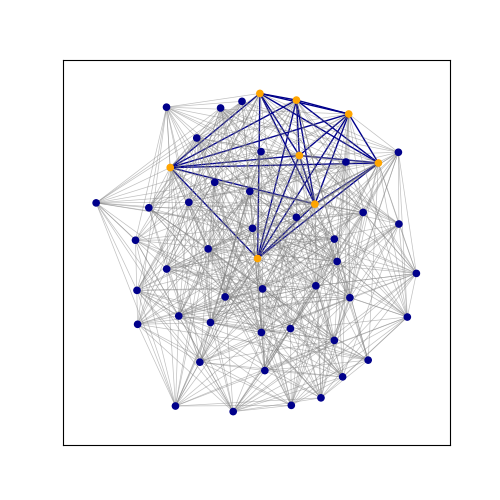
Maximum Cut (MCut). The MCut problem focuses on partitioning the vertices of a graph into two subsets such that the total weight of edges between the two subsets is maximized.
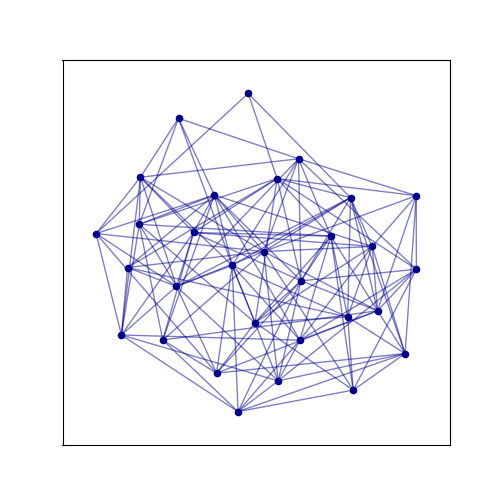
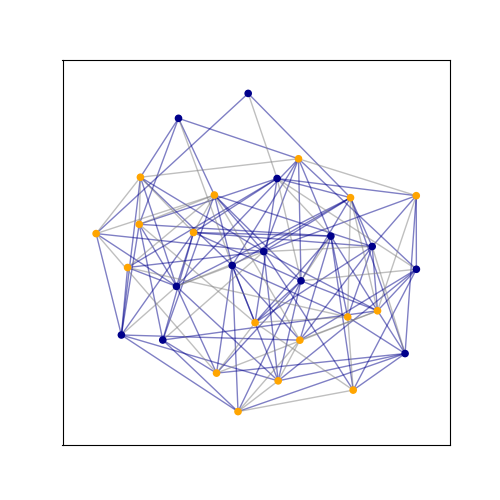
Maximum Independent Set (MIS). The MIS problem aims to find the largest subset of a graph such that no two vertices in the subset are adjacent.
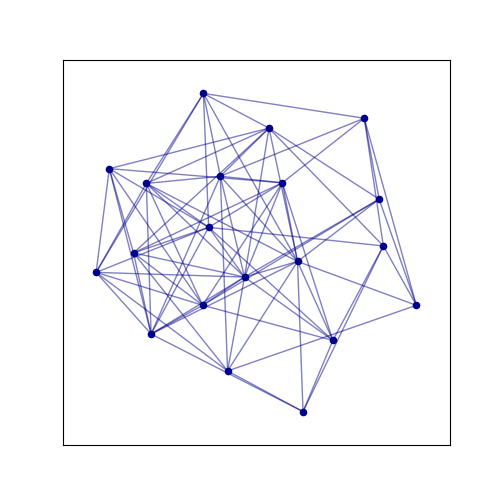

Minimum Vertex Cover (MVC). The MVC problem aims to find the smallest subset of a graph such that every edge in the graph has at least one endpoint in this subset.


When to use ML4CO-Kit
In the following situations, you might find the ML4CO-Kit useful:
When you need to obtain a baseline by solving CO problems with traditional solvers.
When you need to generate training datasets for your models.
When you require evaluating your models with open-source or public test datasets.
When you are building your models using the PyTorch Lightning architecture.
When you utilize wandb for monitoring your training process.
When you need visualization of CO problems.
When you need to read data from various formats such as
tsplib,vrplib,txt, andgpickle.When you need to save data in a portable
txtfile format.
What’s Next
Please read the How to use ML4CO-Kit guide.
And you can get the development status of each component in the